lorem
lorem

Medical Scribes
·
Updated
A Day In The Life Of A Medical Scribe
DM
By
Dr. Mendoza
·
MD, Founder & Editorial Lead
KEY TAKEAWAYS
Scribe shifts mirror the provider's schedule in the Emergency Department, running anywhere from 4 to 12 hours alongside the assigned physician, with workload rising and falling with patient volume.
The day starts before the first patient is seen as the scribe reviews department flow, waiting-room volume, pending orders, and triage levels, then preps charts for significant history and recent visits so the provider begins the shift several steps ahead.
Documentation covers the full encounter — pertinent history, vitals, the exam, the plan of care, follow-up on vital lab and imaging reports, and a detailed discharge summary at the provider's discretion, patient by patient.
Scribes act as the Swiss Army Knife of the department by providing ad-hoc support beyond charting, from curating call-outs to on-call specialties to assisting other providers when the department gets busy.
The role builds real clinical skills including medical terminology and clinical documentation, while giving unparalleled exposure to real-world medical decision-making.
Scribing is a launchpad for pre-med students because the experience clarifies career goals, strengthens medical school applications, and builds a foundation for a range of healthcare careers.
For pre-med students seeking to build a career in healthcare, becoming a medical scribe is the perfect launchpad for a successful educational and professional journey. This role provides a direct window into what many healthcare professionals and providers experience, offering invaluable exposure and insight. Due to the adaptable nature of the position, the daily responsibilities of a medical scribe can vary greatly based on the healthcare setting they support. This article will explore the typical day of a medical scribe working in a fast-paced Emergency Department located in a large urban environment.
The Role of a Medical Scribe in an Emergency Department
The schedule of a medical scribe supporting a provider in an Emergency Department typically consists of shifts ranging anywhere from 4 to 12 hours. In most cases, the scribe’s shift coincides with the provider they are assigned to, and the workload can fluctuate based on patient volume. In this scenario, we will focus on a traditional 12-hour shift partnered with one physician in the emergency room.
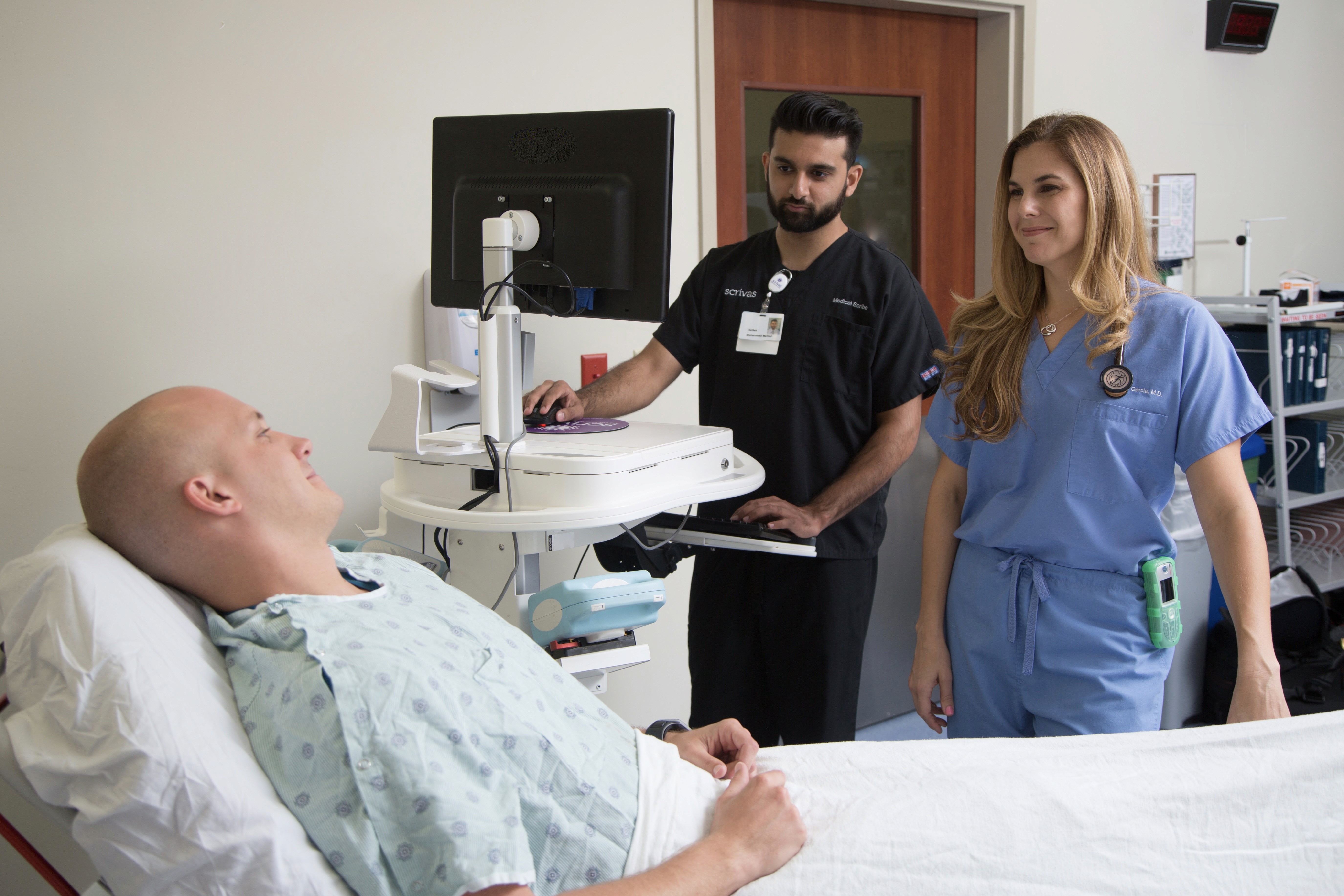
As the shift begins, the medical scribe will have already greeted incoming and outgoing staff, acknowledging their tremendous service for the day and wishing them a much-earned day of rest. Once settled at their assigned computer station or mobile device, the medical scribe will view the current flow of the day, monitor the amount of patients in the waiting room, review pending orders of patients that have been seen, and even analyze the patients to be seen. Once the medical scribe strategizes how the next few hours will look like, they’ll quickly coordinate with the physician of their findings and begin locking in the provider’s name on the patients they would like care for first, while noting their triage level. The medical scribe will also quickly navigate each patients chart and begin prepping their charts looking for any significant history or recent visits. Together, the provider is fully empowered and already numerous steps ahead of their schedule. The fast-pace environment of the emergency department allows for some breathing room for numerous providers while the medical scribe is present and providing support from an array of levels.
Being settled within a busy department, the flow of patients can vary from busy, very busy, or to the occasional “is everything outside still there”? Given the added leverage a medical scribe provides, specifically supporting the monitoring of patients and completing many clerical and administrative tasks, the scribe and provider will quickly find them with time to settle down for a quick bite to eat.
Refueled and ready to knock out the second half of their 12-hour journey, the medical scribe will coordinate with the physician just like how their day started. With an efficient guide by the provider’s side, the scribe and physician duo sets off the continue to provide timely, and personalized care throughout the department. The medical scribe diligently notes pertinent history, vitals, documents the exam, coordinates the plan of care, follows up on vital lab and imaging reports, and even curates a detailed discharge summary at the discretion of the provider patient by patient.
More effectively, the scribe may also find them in a position to provide ad-hoc support throughout the department. Providing support to the environmentalist, curating call-outs to on-call specialties, and even tackling support to other providers; the medical scribe acts as the Swiss Army Knife of the department and are always able to provide support at multiple levels, all while harnessing multiple mediums of experience.
Why Becoming a Medical Scribe is a Smart Career Move in Healthcare
For those considering a career in healthcare, becoming a medical scribe offers hands-on experience and a unique vantage point to observe the intricacies of patient care. This role not only develops critical skills, such as medical terminology and clinical documentation, but also provides unparalleled exposure to real-world medical decision-making. As a stepping stone for pre-med students, the experience gained as a scribe can be pivotal in shaping a successful healthcare career.
By immersing themselves in the fast-paced environment of an Emergency Department, medical scribes gain practical knowledge and develop a deep appreciation for the dedication and skill required to thrive in the medical field. This exposure can clarify career goals, strengthen medical school applications, and pave the way for a variety of rewarding healthcare roles.
Overall, a career as a medical scribe is an excellent opportunity to build a strong foundation for anyone passionate about becoming a future healthcare professional.
For pre-med students seeking to build a career in healthcare, becoming a medical scribe is the perfect launchpad for a successful educational and professional journey. This role provides a direct window into what many healthcare professionals and providers experience, offering invaluable exposure and insight. Due to the adaptable nature of the position, the daily responsibilities of a medical scribe can vary greatly based on the healthcare setting they support. This article will explore the typical day of a medical scribe working in a fast-paced Emergency Department located in a large urban environment.
The Role of a Medical Scribe in an Emergency Department
The schedule of a medical scribe supporting a provider in an Emergency Department typically consists of shifts ranging anywhere from 4 to 12 hours. In most cases, the scribe’s shift coincides with the provider they are assigned to, and the workload can fluctuate based on patient volume. In this scenario, we will focus on a traditional 12-hour shift partnered with one physician in the emergency room.
As the shift begins, the medical scribe will have already greeted incoming and outgoing staff, acknowledging their tremendous service for the day and wishing them a much-earned day of rest. Once settled at their assigned computer station or mobile device, the medical scribe will view the current flow of the day, monitor the amount of patients in the waiting room, review pending orders of patients that have been seen, and even analyze the patients to be seen. Once the medical scribe strategizes how the next few hours will look like, they’ll quickly coordinate with the physician of their findings and begin locking in the provider’s name on the patients they would like care for first, while noting their triage level. The medical scribe will also quickly navigate each patients chart and begin prepping their charts looking for any significant history or recent visits. Together, the provider is fully empowered and already numerous steps ahead of their schedule. The fast-pace environment of the emergency department allows for some breathing room for numerous providers while the medical scribe is present and providing support from an array of levels.
Being settled within a busy department, the flow of patients can vary from busy, very busy, or to the occasional “is everything outside still there”? Given the added leverage a medical scribe provides, specifically supporting the monitoring of patients and completing many clerical and administrative tasks, the scribe and provider will quickly find them with time to settle down for a quick bite to eat.
Refueled and ready to knock out the second half of their 12-hour journey, the medical scribe will coordinate with the physician just like how their day started. With an efficient guide by the provider’s side, the scribe and physician duo sets off the continue to provide timely, and personalized care throughout the department. The medical scribe diligently notes pertinent history, vitals, documents the exam, coordinates the plan of care, follows up on vital lab and imaging reports, and even curates a detailed discharge summary at the discretion of the provider patient by patient.
More effectively, the scribe may also find them in a position to provide ad-hoc support throughout the department. Providing support to the environmentalist, curating call-outs to on-call specialties, and even tackling support to other providers; the medical scribe acts as the Swiss Army Knife of the department and are always able to provide support at multiple levels, all while harnessing multiple mediums of experience.
Why Becoming a Medical Scribe is a Smart Career Move in Healthcare
For those considering a career in healthcare, becoming a medical scribe offers hands-on experience and a unique vantage point to observe the intricacies of patient care. This role not only develops critical skills, such as medical terminology and clinical documentation, but also provides unparalleled exposure to real-world medical decision-making. As a stepping stone for pre-med students, the experience gained as a scribe can be pivotal in shaping a successful healthcare career.
By immersing themselves in the fast-paced environment of an Emergency Department, medical scribes gain practical knowledge and develop a deep appreciation for the dedication and skill required to thrive in the medical field. This exposure can clarify career goals, strengthen medical school applications, and pave the way for a variety of rewarding healthcare roles.
Overall, a career as a medical scribe is an excellent opportunity to build a strong foundation for anyone passionate about becoming a future healthcare professional.
FAQ
Questions about working as a medical scribe
Considering a scribe role as your entry point into healthcare? Here are the questions we hear most from readers exploring what the job looks like day to day.
How long is a typical medical scribe shift in the Emergency Department?
What does a medical scribe document during a patient encounter?
Do medical scribes do more than write notes?
Is working as a medical scribe a good path to medical school?
Do Scrivas scribes work in person or remotely?
Do I need prior clinical experience to become a medical scribe?
FAQ
Questions about working as a medical scribe
Considering a scribe role as your entry point into healthcare? Here are the questions we hear most from readers exploring what the job looks like day to day.
How long is a typical medical scribe shift in the Emergency Department?
What does a medical scribe document during a patient encounter?
Do medical scribes do more than write notes?
Is working as a medical scribe a good path to medical school?
Do Scrivas scribes work in person or remotely?
Do I need prior clinical experience to become a medical scribe?
FAQ
Questions about working as a medical scribe
Considering a scribe role as your entry point into healthcare? Here are the questions we hear most from readers exploring what the job looks like day to day.
How long is a typical medical scribe shift in the Emergency Department?
What does a medical scribe document during a patient encounter?
Do medical scribes do more than write notes?
Is working as a medical scribe a good path to medical school?
Do Scrivas scribes work in person or remotely?
Do I need prior clinical experience to become a medical scribe?

Dr. Mendoza
MD, Founder & Editorial Lead
Dr. Mendoza
MD, Founder & Editorial Lead
PRACTICING PEDIATRICIAN
·
20+ YEARS IN CLINICAL PRACTICE
·
DAILY SAI USER
Dr. Mendoza founded Scrivas after fourteen years running a human medical-scribe service. He writes about how AI scribing actually fits into a working clinic, what changes the day you turn it on, and what doesn’t.
Dr. Mendoza founded Scrivas after fourteen years running a human medical-scribe service. He writes about how AI scribing actually fits into a working clinic, what changes the day you turn it on, and what doesn’t.
Clinical review note. If the post has a clinical reviewer separate from the author, render a second author-row here for the reviewer — important for AI-search trust signals (E-E-A-T). The Framer template should accept an optional reviewer block in the same shape as the author block above.
BROWSE THE ARCHIVE
More from the Scrivas blog
Three related posts chosen by topic tag (here: Practice Operations & ROI). CMS-driven.
BROWSE THE ARCHIVE
More from the Scrivas blog
Three related posts chosen by topic tag (here: Practice Operations & ROI). CMS-driven.
BROWSE THE ARCHIVE
More from the Scrivas blog
Three related posts chosen by topic tag (here: Practice Operations & ROI). CMS-driven.
Reach out
Bring a real visit. We'll show you the note.
Book a 20-minute demo with your clinical team on the call. Describe a typical patient — we'll run it live.
Reach out
Bring a real visit. We'll show you the note.
Book a 20-minute demo with your clinical team on the call. Describe a typical patient — we'll run it live.
Reach out
Bring a real visit. We'll show you the note.
Book a 20-minute demo with your clinical team on the call. Describe a typical patient — we'll run it live.
The SAI by Scrivas Newsletter
Sign-up for practical guidance on ambient AI in clinical practice, plus the latest from SAI by Scrivas.
SAI — the AI medical scribe by Scrivas.
Physician-built, trained on 14 years of real clinical documentation. Live on your EHR from day one.
Compliance
Company Info
Contact us Today
Scrivas ©2026 · All rights reserved.
Scrivas is proud to provide AI medical scribe solutions, medical documentation specialists, at-your-side scribes, medical assistants, and patient experience liaisons to hospitals, health systems, and practices across the United States — including Florida, Texas, California, New York, and beyond. Wherever you practice, our physician-designed solutions help you save time, improve compliance, reduce costs, and enhance patient satisfaction.
The SAI by Scrivas Newsletter
Sign-up for practical guidance on ambient AI in clinical practice, plus the latest from SAI by Scrivas.
SAI — the AI medical scribe by Scrivas.
Physician-built, trained on 14 years of real clinical documentation. Live on your EHR from day one.
Compliance
Company Info
Contact us Today
Scrivas ©2026 · All rights reserved.
Scrivas is proud to provide AI medical scribe solutions, medical documentation specialists, at-your-side scribes, medical assistants, and patient experience liaisons to hospitals, health systems, and practices across the United States — including Florida, Texas, California, New York, and beyond. Wherever you practice, our physician-designed solutions help you save time, improve compliance, reduce costs, and enhance patient satisfaction.
The SAI by Scrivas Newsletter
Sign-up for practical guidance on ambient AI in clinical practice, plus the latest from SAI by Scrivas.
SAI — the AI medical scribe by Scrivas.
Physician-built, trained on 14 years of real clinical documentation. Live on your EHR from day one.
Compliance
Company Info
Contact us Today
Scrivas ©2026 · All rights reserved.
Scrivas is proud to provide AI medical scribe solutions, medical documentation specialists, at-your-side scribes, medical assistants, and patient experience liaisons to hospitals, health systems, and practices across the United States — including Florida, Texas, California, New York, and beyond. Wherever you practice, our physician-designed solutions help you save time, improve compliance, reduce costs, and enhance patient satisfaction.